
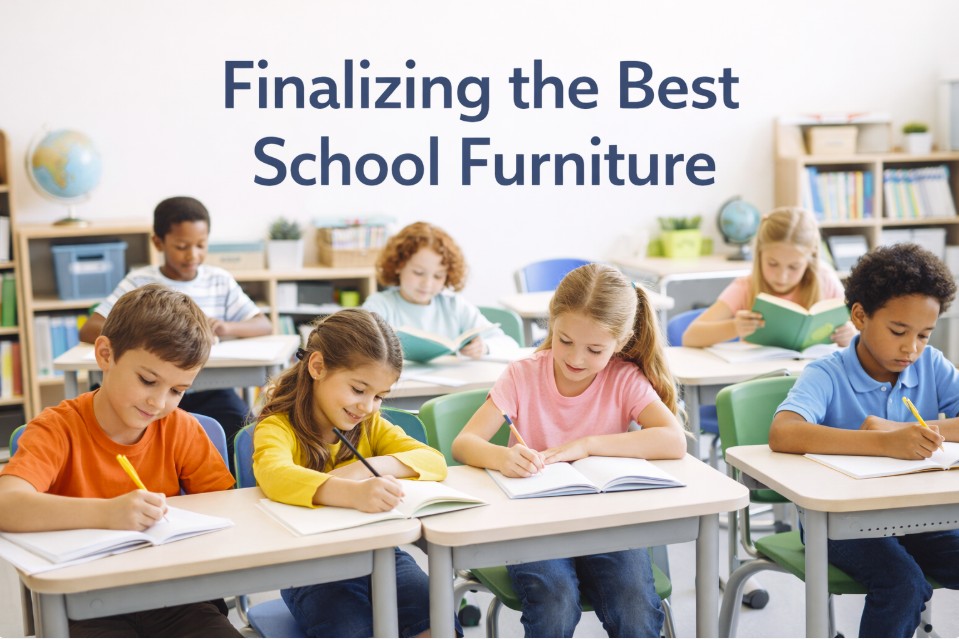
6 Crucial Factors to Consider for Finalizing the Best School Furniture
The learning environment plays a crucial role in student success, and school furniture is a fundamental aspect of that environment. When planning and finalizing the best school furniture, it is important to balance aesthetics, functionality, and safety while considering factors such as materials, design, color, and storage options. This article 6 Crucial Factors to Consider for Finalizing the Best School Furniture explores the key considerations for selecting school furniture that meets the diverse needs of students and educators.
Table of Contents
1. Prioritizing Safety
The top priority when choosing school furniture is ensuring the safety of students and staff. School furniture should be designed and constructed in a way that minimizes risk of injury, promotes proper posture, and complies with safety regulations. 9 Smart Physical Activities Schools Should Implement For Student Health | AllGoodSchools
Key Safety Considerations:
- Rounded Edges and Corners: Furniture with rounded edges and corners helps reduce the risk of cuts, bruises, and other injuries, particularly in younger children who are more prone to accidents.
- Non-Toxic Materials: Ensure that all materials used in the furniture, including paints, adhesives, and finishes, are non-toxic and meet safety standards, protecting students from exposure to harmful chemicals.
- Stability: Furniture should be sturdy and well-balanced to prevent tipping over. Tables, desks, and chairs must have strong bases and legs, and shelving units should be secured to the walls to avoid accidental falls.
- Adjustability: To promote proper posture and prevent strain, consider adjustable furniture that can be customized to fit different students’ heights and body sizes, reducing the risk of discomfort or musculoskeletal issues.
- Compliance with Safety Standards: Verify that all furniture meets relevant safety certifications and standards for use in schools, such as fire safety regulations, weight capacity limits, and child safety guidelines.
2. Design for Flexibility and Functionality
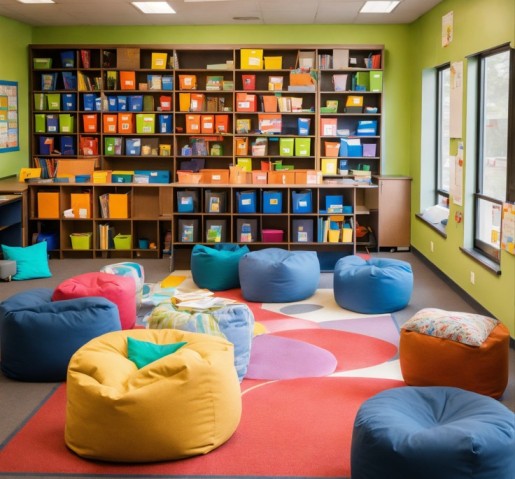
School furniture needs to support a variety of teaching styles, learning activities, and student needs. This calls for furniture that is flexible, functional, and adaptable to different settings.
Key Design Considerations:
- Modular and Mobile Furniture: Opt for modular furniture that can be rearranged easily to support different learning configurations, such as group work, individual study, or presentations. Mobile desks, chairs, and storage units on wheels allow for quick reorganization of classrooms. 20 Points For Great Classroom And Effective Teaching | AllGoodSchools
- Ergonomic Design: Ergonomically designed chairs and desks provide comfort and promote good posture, improving student focus and reducing the risk of physical strain. Features like adjustable seat heights, lumbar support, and tiltable desks contribute to student well-being.
- Collaborative Spaces: Design furniture that fosters collaboration, such as large tables or desk clusters that encourage group work and interaction. Furniture with writable surfaces, such as whiteboard desks, can also enhance collaborative learning.
- Inclusive Design: Consider the needs of all students, including those with disabilities. Ensure that furniture is accessible and meets the requirements of students with physical or sensory impairments. This might include providing desks and chairs with adjustable heights, easily maneuverable seating, and wide access pathways.
3. Choosing Durable and Sustainable Materials
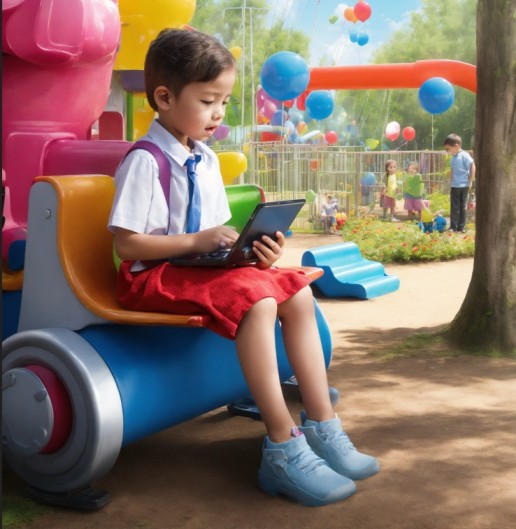
School furniture should be able to withstand heavy use while maintaining its functionality and appearance. Durable and sustainable materials can ensure longevity, cost-effectiveness, and environmental responsibility.
Key Material Considerations:
- Durability: Select materials that are resistant to wear and tear, such as high-pressure laminate surfaces for desks and tables, which are scratch-resistant and easy to clean. Metal frames and bases offer sturdiness, while wood or plywood seating adds comfort and warmth.
- Sustainable Materials: Opt for eco-friendly materials like recycled plastics, certified wood, or responsibly sourced bamboo. Schools can also consider furniture that is certified for sustainability, such as furniture bearing the Forest Stewardship Council (FSC) label.
- Low-Maintenance Materials: Choose materials that are easy to maintain and clean, especially in high-traffic environments like classrooms. Materials like vinyl, laminate, and powder-coated metals are durable, stain-resistant, and easy to sanitize.
4. Incorporating Color for Enhanced Learning
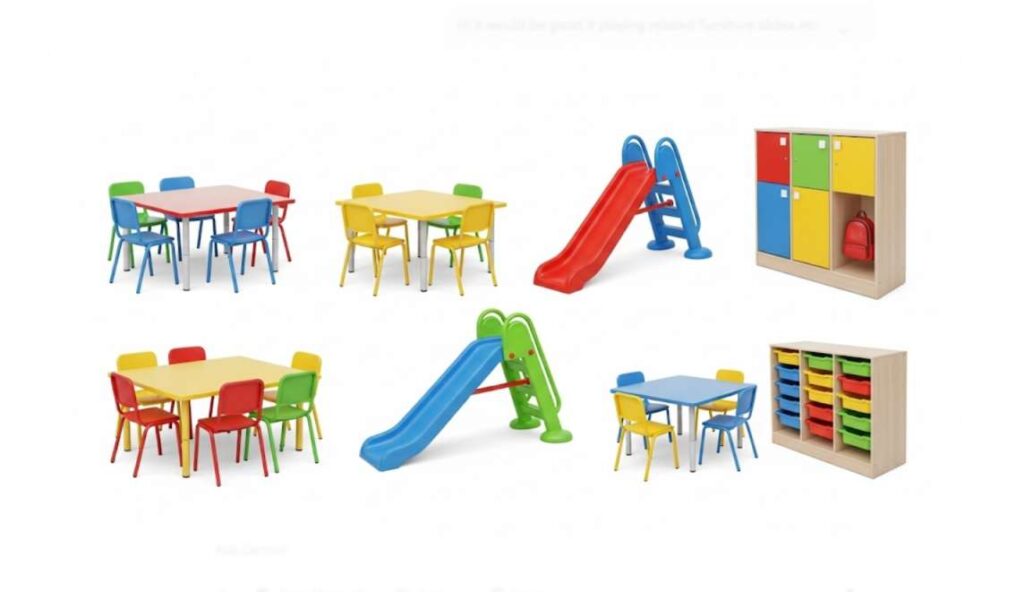
Color plays a significant role in shaping the learning environment. It can influence mood, focus, and creativity, making it an important consideration when selecting school furniture.
Key Color Considerations:
- Mood and Productivity: Research has shown that certain colors can impact concentration, mood, and behavior. For example:
- Blue and Green: These calming colors are often associated with concentration and focus, making them ideal for classrooms where individual study is prioritized.
- Yellow: Known to stimulate creativity and happiness, yellow accents can work well in art rooms or creative spaces.
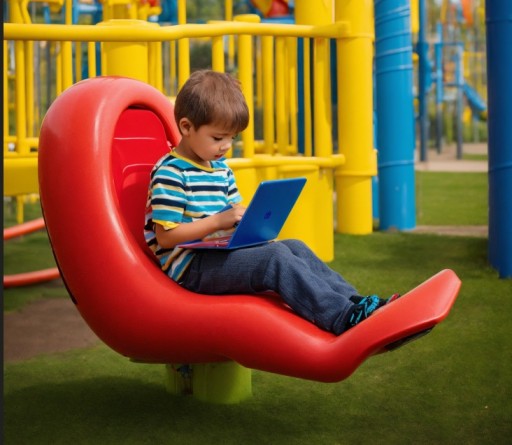
- Red: While red can be stimulating, it can also be overwhelming in large amounts. It’s best used sparingly as an accent color in areas that require energy, such as gymnasiums or play areas.
- Color Coordination: Choose color schemes that reflect the overall school branding and create a cohesive look across different areas of the school. Consistency in color coordination can help establish a positive and visually appealing environment.
- Age-Appropriate Colors: Consider age-appropriate color schemes—brighter and bolder colors may be more suitable for younger students, while more muted, neutral tones might be appropriate for older students who need a more focused learning environment.
5. Optimizing Storage Solutions
Proper storage is essential in maintaining an organized and efficient classroom environment. School furniture should include functional storage solutions that help manage materials, equipment, and personal belongings.
Key Storage Considerations:
- Integrated Storage in Desks and Tables: Desks and tables with built-in storage compartments, drawers, or shelves can help students keep their materials organized and reduce clutter in the classroom.
- Mobile Storage Units: Storage units on wheels allow teachers and students to easily move materials between classrooms or areas. These are ideal for classrooms with limited space or that serve multiple functions throughout the day.
- Personal Storage Solutions: Lockers, cubbies, and hooks provide personal storage for students’ belongings, such as backpacks, coats, and shoes. These should be designed to accommodate students of different ages and sizes.
- Teacher Storage: Teachers need dedicated storage solutions for teaching materials, technology, and personal belongings. Lockable cabinets, shelves, and teacher desks with ample storage space help keep classrooms organized and secure.
6. Balancing Budget with Quality
Budget constraints are a common challenge when purchasing school furniture, but it’s important to strike a balance between cost and quality. While lower-cost furniture may seem appealing, investing in high-quality, durable furniture can save money in the long run by reducing replacement and maintenance costs.
Key Budget Considerations:
- Long-Term Investment: Consider furniture as a long-term investment that will last for years. Opt for high-quality, durable pieces that can withstand the demands of daily use and reduce the need for frequent replacements.
- Bulk Purchasing: Purchasing furniture in bulk can often lead to cost savings, especially when working with manufacturers that offer discounts for large orders.
- Phased Purchasing: If budget constraints are tight, consider implementing a phased purchasing plan that allows the school to gradually update furniture across multiple years, prioritizing the most urgent needs first.
Conclusion
Choosing the best school furniture involves careful consideration of safety, design, materials, colors, storage solutions, and budget. By prioritizing student well-being, comfort, and functionality, schools can create environments that promote effective learning and engagement. Investing in high-quality, durable, and thoughtfully designed furniture will contribute to a more positive and productive educational experience for students and teachers alike, while also providing a long-lasting return on investment for the school