

Supporting an Introverted Child Through Social Challenges: A Parent’s Role in Nurturing Expression and Self-Worth
Children develop at different emotional and social paces, and for introverted children, the journey toward confident self-expression and peer interaction can be particularly nuanced. Supporting an Introverted Child A Parent’s Role, when a child begins to engage socially but struggles with emotional regulation, miscommunication, and low self-esteem, it presents a critical opportunity for parents to guide with patience, empathy, and strategic support. Comparison Of Convergent And Divergent Students
Table of Contents
Understanding the Emotional Landscape
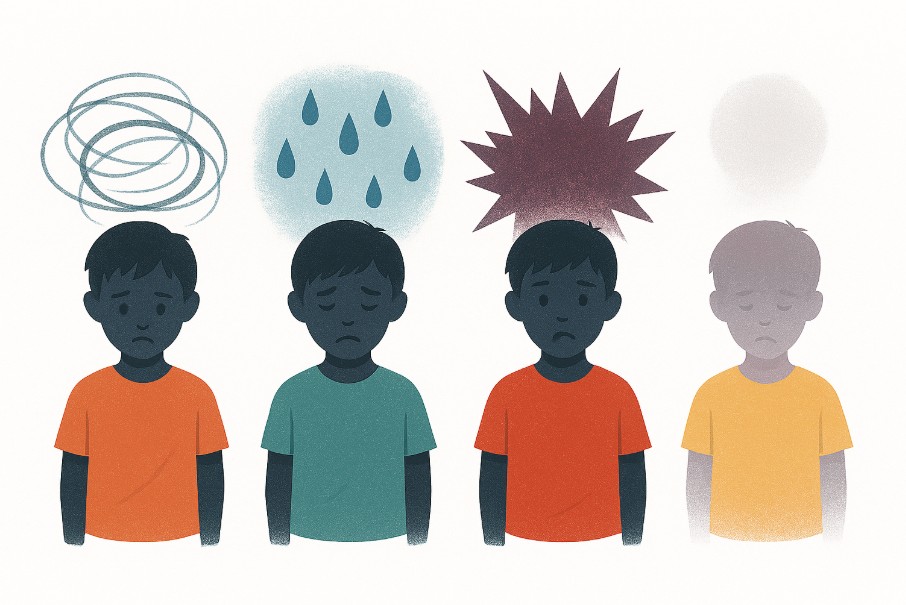
Introversion is not a flaw—it’s a temperament. Introverted children often prefer solitary activities, internal reflection, and quiet environments. However, when they begin to explore social spaces, especially with peers, they may encounter emotional triggers that overwhelm their coping mechanisms. Common signs include:
- Frequent frustration or anger during interactions
- Difficulty articulating thoughts or feelings
- Misinterpreting guidance as criticism
- Low tolerance for ambiguity or conflict
- Expressions of defensiveness (“What have I done now?”)
These behaviors may stem from poor self-esteem, limited emotional vocabulary, or a heightened sensitivity to perceived judgment.
The Role of Parents: Guiding Without Overpowering
Parents play a pivotal role in shaping how children perceive themselves and others. The goal is not to “fix” the child, but to create a safe emotional environment where they feel understood, valued, and empowered to grow.
1. Use Emotionally Safe Language
The way parents speak during moments of correction or guidance can either build trust or reinforce defensiveness. Consider replacing reactive phrases with supportive alternatives:
| Instead of saying… | Try saying… |
|---|---|
| “Stop being so dramatic.” | “It looks like this feels really big for you. Want to talk about it?” |
| “You’re overreacting.” | “I can see this is upsetting. Let’s figure it out together.” |
| “Why can’t you just behave?” | “I know it’s hard sometimes. Let’s work on this together.” |
| “You never listen!” | “I need your help to understand. Can we try again?” |
| “That’s not how you talk to people.” | “Let’s think about how we can say that in a kinder way.” |
| “You’re being rude.” | “I think you’re trying to say something important. Let’s find the right words.” |
| “Don’t be so sensitive.” | “Your feelings matter. I’m here to listen.” |
| “You’re making a big deal out of nothing.” | “It’s okay to feel upset. Let’s take a moment and talk it through.” |
| “You’re always angry.” | “I’ve noticed you’ve been feeling frustrated lately. Want to share what’s going on?” |
| “Why do you always yell?” | “Let’s use our calm voices so I can really hear you.” |
| “You need to grow up.” | “You’re learning every day, and I’m proud of your progress.” |
| “You’re being difficult.” | “This seems hard right now. Let’s figure out what’s bothering you.” |
| “Why are you shouting?” | “It sounds like you’re upset. Can you help me understand what happened?” |
| “Calm down!” | “Let’s take a deep breath together. I’m here to help.” |
| “You always get angry.” | “I noticed you felt frustrated. That’s okay—let’s talk about it.” |
| “What have you done now?” | “Let’s figure this out together. I know you didn’t mean to upset anyone.” |
2. Validate Feelings Without Judgment
Children need to hear that their emotions are valid—even when their behavior needs correction. Acknowledging their feelings helps them feel seen and reduces the need to defend themselves.
“I can see that you’re feeling overwhelmed. That’s okay. Let’s take a moment to talk it through.”
3. Encourage Expression Through Creative Outlets
Introverted children often express themselves better through non-verbal channels. Encourage:
- Drawing or journaling about their day
- Role-playing social scenarios with toys or puppets
- Using emotion cards or charts to identify feelings
These tools help build emotional vocabulary and reduce the pressure of verbal confrontation. 11 Tricks To Motivate Students Outside The Classroom

4. Model Calm and Respectful Communication
Children mirror what they see. When parents respond to stress with calm, respectful language, children learn that emotions can be managed without escalation. What is an Emotion? | Twinkl Teaching Wiki |
“I’m feeling a bit stressed too, but I’m going to take a breath and speak gently. You can do that too.”
5. Build Self-Worth Through Affirmation
Introverted children may internalize negative feedback more deeply. Counterbalance this by regularly affirming their strengths:
- “You’re thoughtful and observant—that’s a gift.”
- “I love how you care about doing things the right way.”
- “You’re learning every day, and I’m proud of you.”
Additional Actions to Support Growth
- Create predictable routines to reduce anxiety and increase confidence.
- Limit overstimulating environments that may trigger emotional overload.
- Celebrate small social wins (e.g., “You joined the game today—that’s brave!”).
- Seek professional support if emotional outbursts persist or escalate.
Conclusion: Helping Your Child Love Who They Are
The journey toward emotional resilience and social confidence is not linear. It requires patience, compassion, and a deep understanding of your child’s unique temperament. By fostering a home environment that prioritizes emotional safety, respectful communication, and positive reinforcement, parents can help their children not only adjust socially—but thrive.
Your child doesn’t need to be someone else. They need to feel safe being exactly who they are—and know that they are deeply loved for it.
Practical Tips
- Respect your child’s need for quiet time without labeling it as weakness.
- Let them recharge alone after social activities without guilt.
- Listen patiently without interrupting when they choose to speak.
- Encourage expression through writing, drawing, or journaling.
- Avoid forcing them into social situations they are not ready for.
- Praise their efforts privately rather than in public.
- Prepare them in advance for new events or gatherings.
- Teach them simple phrases to express discomfort or boundaries.
- Create a safe space at home where they feel emotionally secure.
- Celebrate their thoughtful and observant nature.
- Give them extra time to answer questions or share opinions.
- Help them build one or two close friendships instead of many.
- Model calm and respectful communication at home.
- Validate their feelings instead of saying “don’t be shy.”
- Encourage small, manageable challenges to build confidence.
- Protect them from teasing or negative comparisons.
- Focus on their strengths rather than their quietness.
- Teach problem-solving through gentle discussion, not pressure.
- Support their interests, even if they prefer solo activities.
- Remind them regularly that being introverted is a strength, not a flaw.